Tickets, options and how to choose
Istanbul dervish tickets
What the Hodjapasha Sema ticket includes, how seats are allocated, how it compares with the Galata lodge and the venue's dance show, and who should skip it.
Check dates and availability ↗Quick answer
Book the Hodjapasha Whirling Dervishes Show & Exhibition if you want a Mevlevi Sema ceremony in central Istanbul. The ticket covers the ceremony of about one hour, a programme booklet and bottled water, in a restored 15th-century hammam in Sirkeci. Seats go first-booked, first-served, so book early for a better one. Children under 7 and wheelchair users cannot attend, and photography is not allowed. Your confirmation shows the time.
Three evenings in Istanbul, compared
| Hodjapasha ceremony | Galata lodge | Rhythm of the Dance | |
|---|---|---|---|
| What it is | A Sema ceremony | A museum, once a lodge | A dance show |
| Setting | 15th-century hammam | Lodge founded 1491 | Same hammam |
| Length | About 1 hour | Ask the museum | About 65 minutes |
| Photos | Not during the rite | Ask the museum | Allowed, no light |
What you're booking
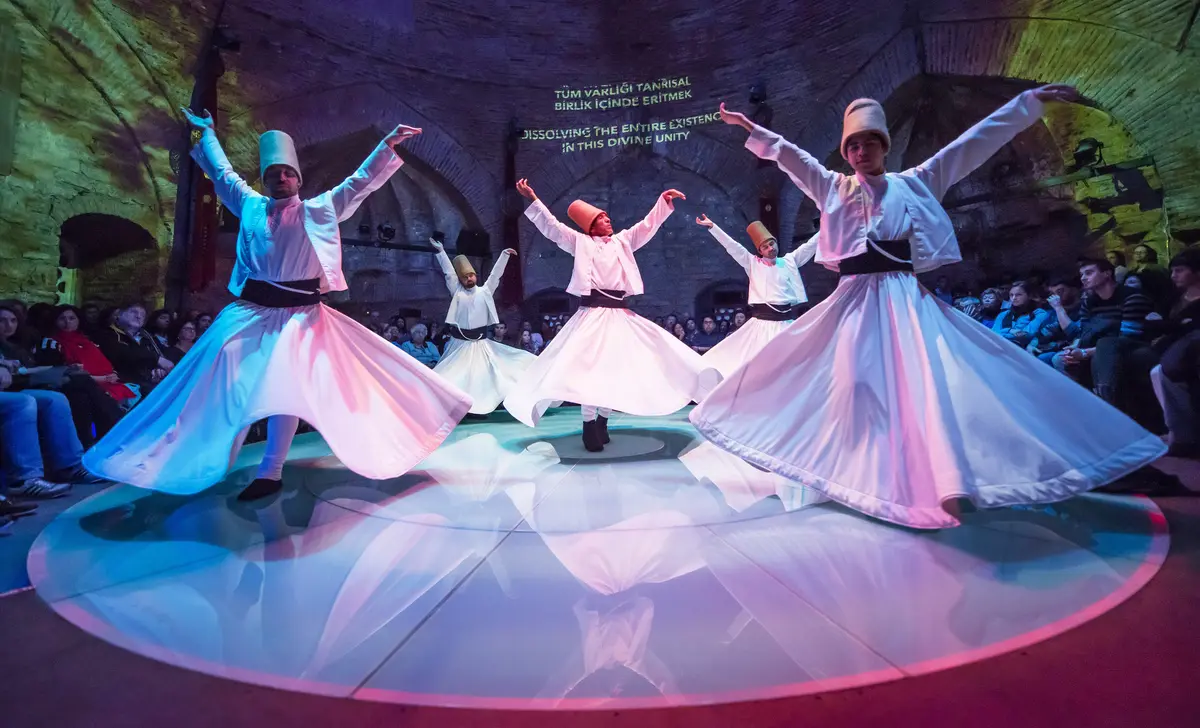
This is a ticket to one ceremony, not a tour. The Hodjapasha Culture Center is a restored hammam, a former Ottoman bathhouse, in Istanbul's Sirkeci district. The programme is a Mevlevi Sema, the whirling ritual of the Mevlevi order, and it lasts about an hour. The meeting point is the Hodjapasha Culture Centre itself, so you go straight there. The booking is titled Show & Exhibition because the venue also runs an exhibition about dervish life, covered in our practical guide.
Read next: Visiting a Sema ceremony
What the ticket includes
The ticket includes entry to the ceremony, a programme booklet and bottled drinking water. The booklet explains the Mevlevi Sema, which helps if you know little about it. Nothing else is listed. There is no hotel pickup, no transport and no meal, so plan how you get to Sirkeci and where you eat. The ceremony itself follows a set order that the venue's own site describes in seven parts, and the programme begins with a concert of classical Turkish music.
- Included: ceremony ticket, programme booklet, bottled water
- Not listed: transport, hotel pickup, food
- Not suitable: children under 7, wheelchair users
- Not allowed: photography inside
Booking here or at the venue
You can also buy straight from the venue. Its own website has an online ticket page and a contact page with a phone number and an email address. Booking direct suits you if you want to ask the venue something first. Booking through GetYourGuide suits you if you want to reserve now and pay later, and cancel for free up to 24 hours before. If you book direct, the venue's own terms apply, so read them before you pay. Either way, the ceremony and the room are the same.
Seats and how early to book
The venue allocates seats on a first-booked, first-served basis, and its site advises booking in advance to get better seats. You choose a date and a time, not a seat category: the booking page offers a ticket per person and no seating tiers. So the practical advice is simple: book once your dates are fixed. Because cancellation is free up to 24 hours before when you book through GetYourGuide, booking early costs little flexibility. Nobody publishes which evenings fill first, so treat any claim about that with care.
The room you'll sit in
Hodja Pasha Hamam is a large double hammam, which means it was built with separate sections for men and women. The venue's history page says the area under the top dome was renovated in 2008 and now works as the culture centre, while other parts of the old bathhouse are used as a bazaar. The venue's own site places it near Hagia Sophia and Topkapı Palace and mentions its high dome ceilings. That is the setting for the ceremony: brick, stone and a vault, rather than a theatre with a proscenium.
Why the Sema is staged this way
The ceremony is presented as a scheduled programme because of Turkish history. Sufism was outlawed in September 1925, and the Mevlevi lodge in Konya eventually became the Mevlana Museum. UNESCO adds that all mevlevihane, the lodges, were closed that year, and that public performances were allowed again in the 1950s. That is why you buy a ticket to a Sema in a converted bathhouse, and why the language around it is careful. It does not make the ritual form any less real, only more public.
Hodjapasha or another Sema?
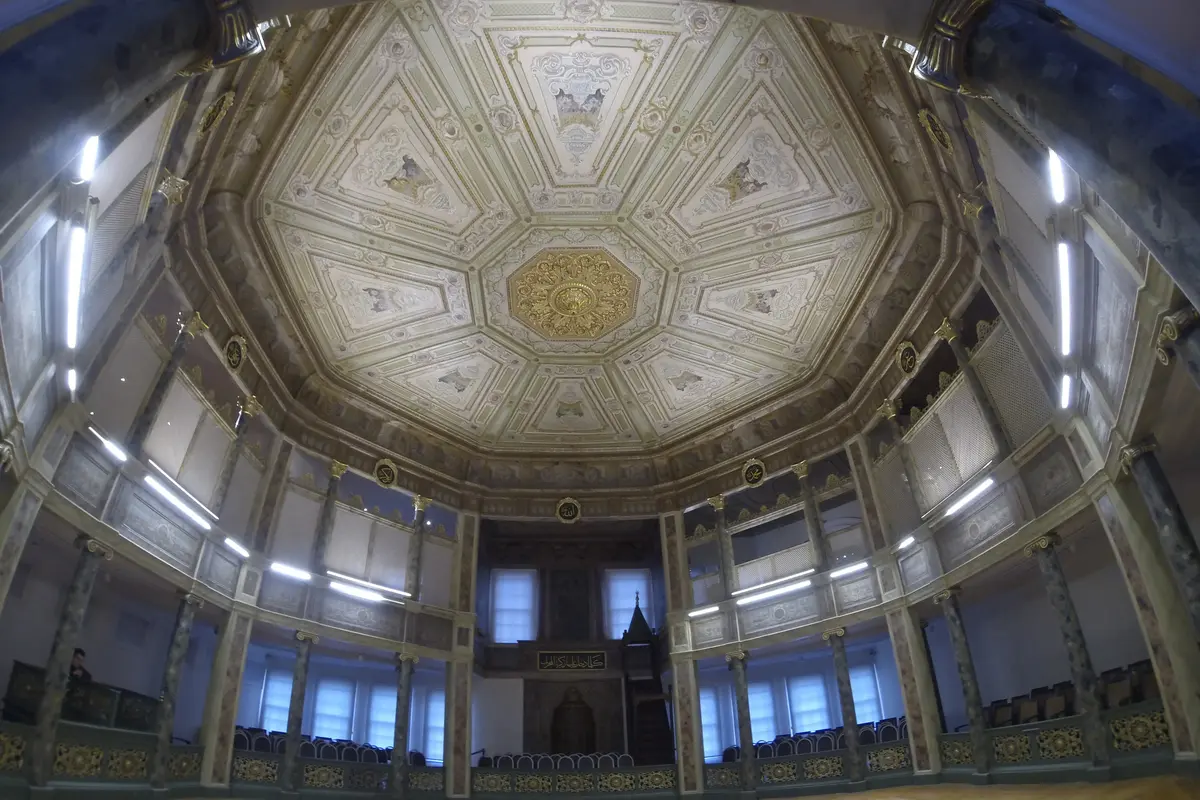
Istanbul gives you more than one place to think about. The Galata Mevlevi Lodge, founded in 1491, is the oldest Mevlevi lodge in the city and is now a museum of Ottoman literature and Mevlevi culture. Wikipedia reports that whirling performances have been held there, historically on Sundays, but check the museum before you plan an evening around one. In Sirkeci, the Hodjapasha ceremony is a scheduled programme in a converted bathhouse. The venue's site describes its dervish programme as an everyday one, and your booking calendar shows the dates on offer.
- Hodjapasha: a ticketed Sema programme, easy to book ahead
- Galata lodge: the historic lodge and its ceremonial hall, best visited as a museum
- Private groups: UNESCO notes some are restoring the rite's original, intimate character
Ceremony or tourist show?
Be clear about what you are choosing. UNESCO lists the Mevlevi Sema as intangible heritage, and it records that the lodges were closed in 1925, that public performances were allowed again in the 1950s, and that many ceremonies are now performed for tourist audiences, shortened and simplified. A ticketed programme in a converted hammam sits in that picture. The venue itself calls its dervish programme a spiritual ceremony with religious symbols, and separates it from its entertainment show. You will see a real ritual form, presented as a scheduled cultural programme.
Don't book the wrong show
The same venue runs a second programme, Rhythm of the Dance, which is a dance show with Ottoman harem dances, traditional dances and belly dancing. It is a different evening. The venue's own site says to pick that one if you want an entertaining show, and the dervish programme if you want the ceremony. They also differ on practical points: the dance show runs about 65 minutes against 60 for the ceremony, and the site says photography without light is possible in the dance show but not in the ceremony. Check the title before you pay.
Before you pay: a short checklist
Most problems are avoidable with a few minutes of checking. Make sure the title says Whirling Dervishes. Pick your date, then note the time your confirmation shows. The venue asks you to check in 30 minutes before the show time, so allow for that. If anyone in your group is under 7 or uses a wheelchair, stop here, because neither is permitted or suitable. Put your phone away once you are in: talking, applause and photography are all prohibited during the ceremony, and the venue says the ceremony needs a silent, tranquil atmosphere.
Who this isn't for
Skip it if you want a lively show with applause and photos; the Rhythm of the Dance programme is closer to that. Skip it if you are travelling with a child under 7 or with a wheelchair user. Skip it if you want a working devotional gathering rather than a scheduled programme, since UNESCO notes that some private groups are working to restore the original spiritual and intimate character of the Sema, and those are not a ticketed evening in Sirkeci. And skip it if repetition bores you: the whirling follows four fixed salutes in a steady pattern.
Frequently asked questions
Where is the Whirling Dervishes ceremony held?
At the Hodjapasha Culture Center, a restored 15th-century hammam in Istanbul's Sirkeci district. Its address is Ankara Caddesi, Hocapaşa Hamamı Sokak No: 3.B, Sirkeci. The venue's site places it near Hagia Sophia and Topkapı Palace.
What is included in the ticket?
The ceremony ticket, a programme booklet and bottled drinking water. Transport, hotel pickup and food are not listed. The ceremony lasts about one hour, and your confirmation shows the start time for your date.
Is the ceremony real or staged for tourists?
Both. It follows the Mevlevi Sema's real structure, but it is a scheduled programme. UNESCO notes that many Sema ceremonies are now performed for tourist audiences and have been shortened and simplified.
Is there a free whirling dervish ceremony in Istanbul?
The Hodjapasha ceremony is ticketed. Other venues set their own rules, so ask them directly. The Galata Mevlevi Lodge is a museum, and its performance schedule should be confirmed with the museum before you plan around it.
Can I cancel the booking?
Booked through GetYourGuide, you can cancel free up to 24 hours before the start for a full refund, and you can reserve now and pay later. If you book direct with the venue, its own terms apply.
Can I take photos or applaud?
No. Photography, talking and applause are all prohibited during the ceremony, because it is a religious rite. Keep your phone away for the whole programme.
Sources